Building an Entrepreneurial Ecosystem in Bhutan
We are a young nation with over half our people under age 25, and many eager to innovate. Our development philosophy Gross National Happiness (GNH) emphasizes that economic growth be balanced with wellbeing, sustainability and social harmony. In practice this means we value fair, community‐focused business: environmental protection, cultural vibrancy and good governance are as important as profit. For example, Bhutanese cultural norms emphasize hospitality and “a strong sense of communal bond”. This tight-knit social fabric is important for the fact that our population is “not even eight hundred thousand people” can be a real asset for startups, as communities often rally behind local ventures that promise shared benefits.
At the same time, our small market and geographic isolation pose challenges. With fewer than 800,000 people, local demand is limited, and we often see inexpensive imports undercutting homegrown products. Our education and training systems have traditionally emphasized formal careers, so many aspiring entrepreneurs “lack the knowledge of business skills even though they have a business idea.” A 2015 government strategy report observed that entrepreneurs face “lack of access to information on setting up and operating a business,” “limited access to capital and funds,” “lack of adequate networks,” and “lack of mentoring support and training”. Indeed, many young founders say they simply don’t know where to find resources: there is no one-stop portal for startup advice in Bhutan. Perhaps most acute is finance: small loans and seed grants are scarce, making it hard for the first timers to launch or scale their ventures. These challenges do not mean we lack potential. Instead, they show us exactly where we need to improve and we can make those improvements by using the strengths we already have
Key Needs for Entrepreneurs
Our surveys and consultations show five critical needs for Bhutanese entrepreneurs. Addressing these will help turn ideas into viable businesses:
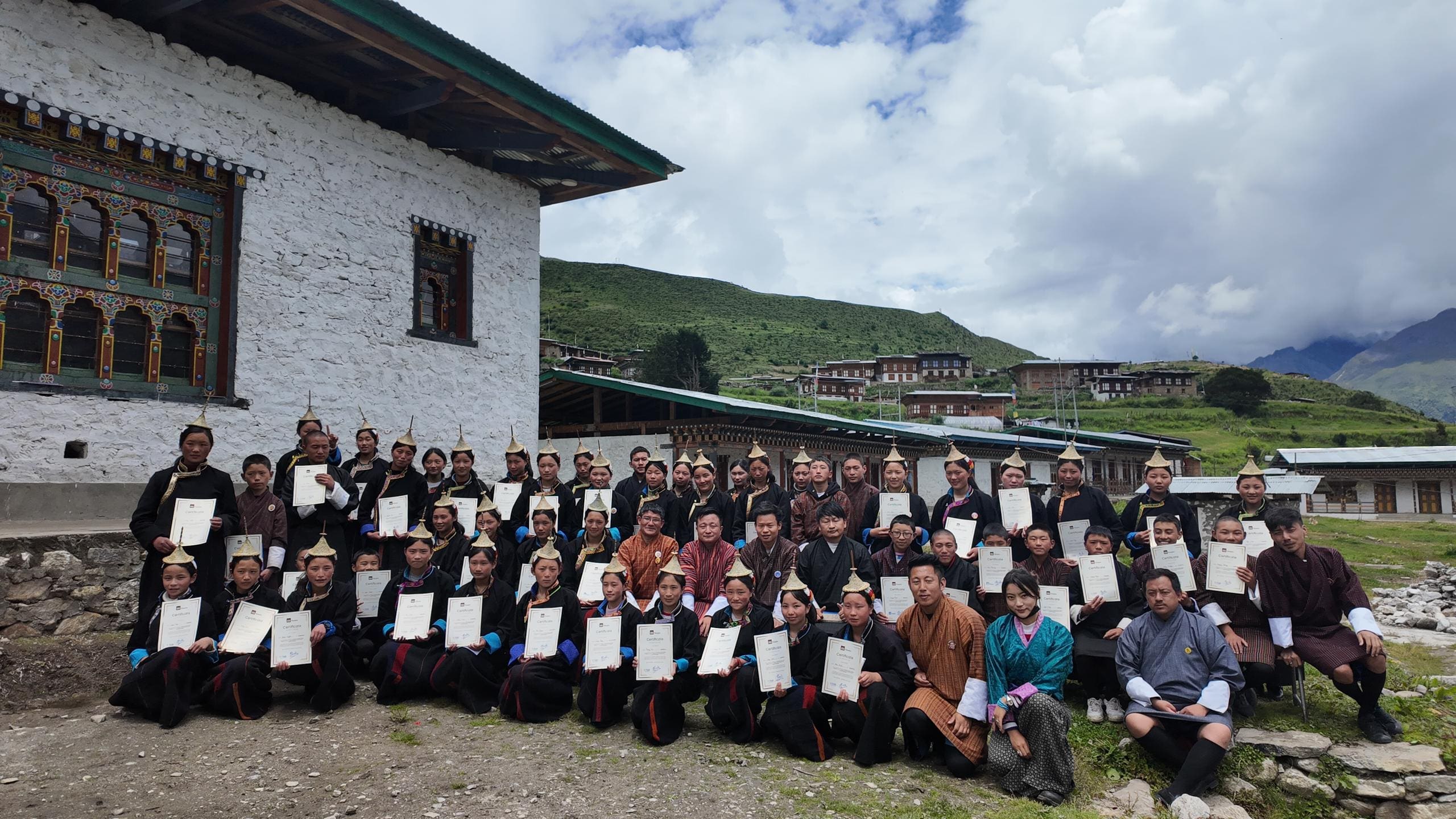
- Practical learning and skills. Entrepreneurs want hands-on training in core business areas not just lectures. We need short, action-oriented courses and field visits on topics like business planning, marketing, finance, bookkeeping, customer engagement and digital tools. A recent impact study of our entrepreneurship training found that participants overwhelmingly requested longer courses, more practical sessions and field visits, plus follow-up support so they can “really learn by doing.” By giving first-time founders more on-the-ground practice, we boost their confidence and help them avoid common mistakes.
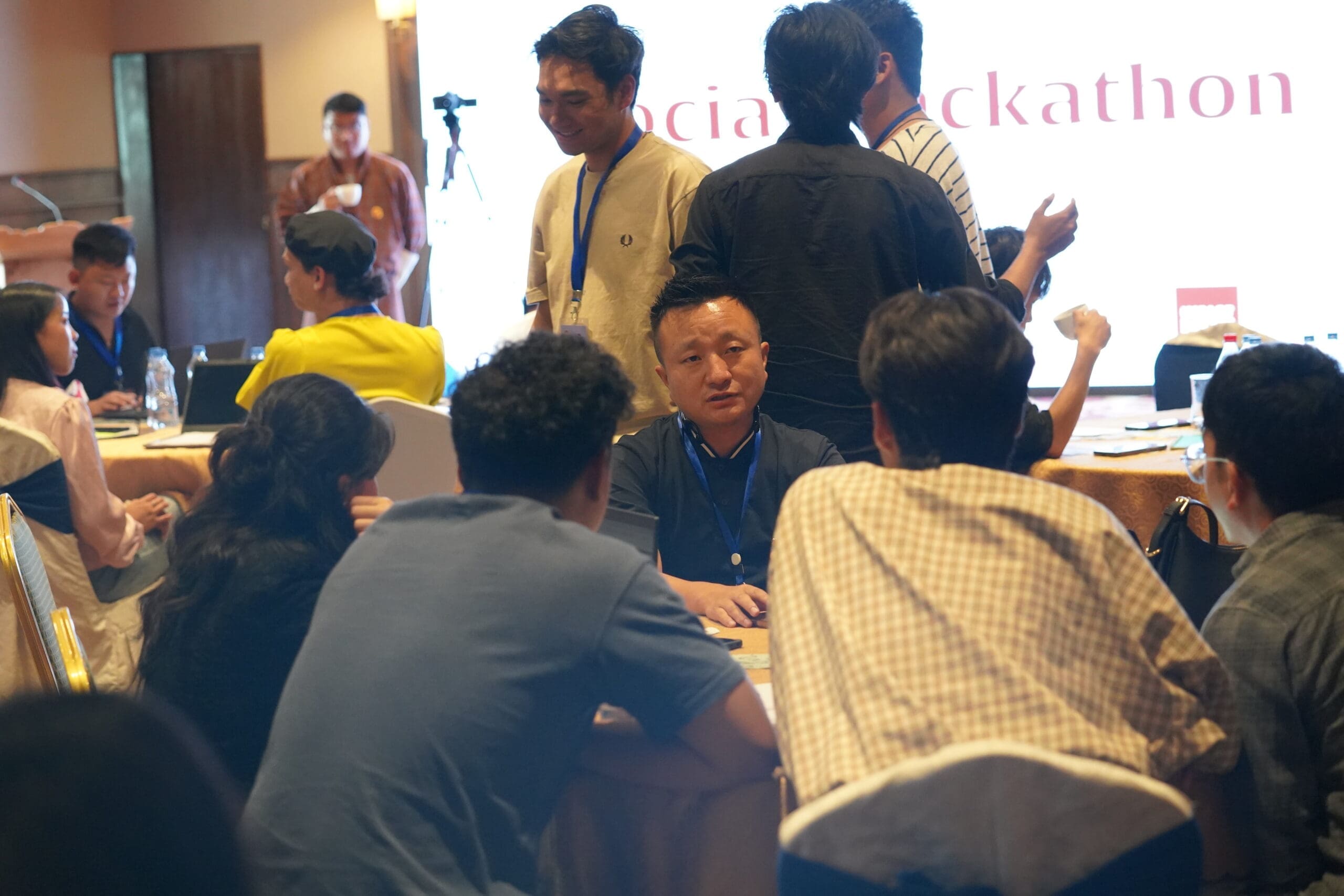
- Stronger mentorship and guidance. Many young people have great ideas but no one to turn to for advice. We must connect them with experienced mentors – seasoned Bhutanese business owners or sector experts – who understand our local context. The 2015 entrepreneurship strategy explicitly noted the “lack of mentoring support and training” as a major gap. Creating formal mentorship programs, alumni networks and online communities will help rookies navigate challenges, stay motivated and learn from others’ experiences. Connecting with a mentor can make the difference between a startup failing in isolation and one that keeps going until it succeeds.
- Better access to information. Many entrepreneurs simply don’t know what support is out there. We need a well-organized information system – for example a central web portal or mobile app – that lists all available programs, training courses, funding sources, export fairs and regulations. This matters especially because Bhutan’s digital and media infrastructure is still maturing. If we can improve outreach through social media, radio and local newspapers, more entrepreneurs will hear about incubators, government grants, business competitions and market opportunities. Knowing where to find help is often the first step to starting a business.
- Easier access to finance. Appropriate financial products are crucial. Entrepreneurs need small, flexible loans, seed grants and smart credit lines. Fortunately, we are seeing progress. For example, in October 2025 the World Bank’s IFC committed a US$20 million investment through the Bank of Bhutan, explicitly to expand lending to micro and small enterprises. Under that deal at least 80% of the funds will go to small businesses (which make up about 95% of Bhutan’s registered firms), with a special focus on women-led and rural ventures. This kind of “last-mile” financing – long-term funds channeled to grassroots companies – helps fill the capital gap. At the same time, local institutions are innovating: for instance, Microfinance Bhutan offers small-business loans tailored to marginalized groups like women and rural entrepreneurs. Together, these steps are expanding the choices for startups to get the money they need.
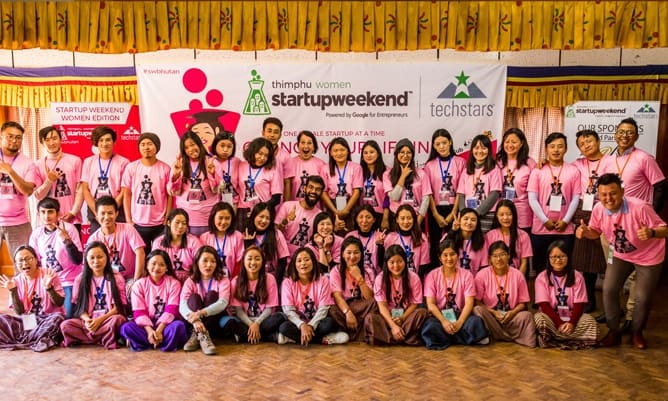
- Platforms for visibility. Entrepreneurs thrive when they can showcase their work and learn from others. We benefit greatly from regular events where we get to connect with potential markets. National fairs like the Made in Bhutan exhibition, district craft markets and agro-fairs give local artisans and food producers a chance to sell directly to consumers. Such platforms do more than boost sales. They raise confidence and awareness. Success stories spread by media (Business Bhutan, Bhutan Today, etc.) inspire others and attract support from investors or donors. Even peer networking through online groups or informal meetups facilitate entrepreneurs to share solutions and gain moral support. The more our ventures are in the public eye, the stronger the overall ecosystem becomes.
Building a Strong Entrepreneurial Community
A vibrant ecosystem depends on relationships. We should build on Bhutan’s communal ethos by linking stakeholders across society. This means engaging energetic youth and students, local leaders like village officials, and faith institutions who can endorse enterprise. Schools and colleges can introduce entrepreneurship clubs and curricula. Cottage and Small Industries (CSIs) and agricultural cooperatives have deep local knowledge to share. Private-sector experts, home-grown business owners and returning expats can mentor the next generation of entrepreneurs. Civil society groups (like the Loden Foundation, Tarayana Foundation and Bhutan Youth Development Fund) already run training and networking programs. In addition, banks, microfinance providers and tech hubs offer capital and workspace. Furthermore, veteran entrepreneurs from Thimphu, Phuentsholing and rural dzongkhags are role models whose guidance is invaluable.
When these groups collaborate through roundtables, conferences or joint projects we create 360° support. For example, the Springboard Plus accelerator (a flagship six-month program backed by the government, UNDP and Loden Foundation) brings together mentors, trainers and investors to coach youth teams. Bhutan Innovation and Technology Centre and various sector councils already provide forums for sharing knowledge on agriculture, handicrafts and tourism. We should encourage established entrepreneurs to “give back” by mentoring youth, forming cooperatives or sponsoring fairs. Public-private dialogues can ensure new programs align with our values of fairness and sustainability. As one commentator noted, our communities “see community and family first”, a mindset we can harness so that success for one entrepreneur becomes a win for everyone around them.
Ongoing Initiatives and the Road Ahead
We are already taking concrete steps to strengthen the ecosystem. Government agencies and partners like UNDP and Loden have launched incubation and training schemes. The Springboard Plus seed accelerator has run several cohorts of six-month programs: each gives teams intensive coaching, networking and a chance at grant prizes (from BTN 100,000 to BTN 500,000) for top ventures. By mid-2024, Springboard had guided dozens of startups toward investment-readiness and even helped create dozens of jobs. Officials emphasize that programs like this aim to reduce youth unemployment (currently around 22.9%) by turning ideas into businesses.
Training and coaching are expanding too. The Department of Employment and Entrepreneurship, Ministry of Industry Commerce and Employment is revamping its Basic Entrepreneurship Course based on feedback: learners asked for more hands-on content, field visits and post-training funding support. Vocational institutes are beginning to integrate startup modules into their curriculum, and private trainers offer workshops on digital marketing, branding and finance. Together, these efforts ensure young people build concrete skills.
We are also leveraging Bhutan’s unique strengths in nature and culture. Eco-tourism and community-based enterprises are a big focus as they align with our conservation values. Projects like homestays, eco-lodges and handicraft co-ops give rural communities and women new income streams. Experts point out that these ventures “provide economic opportunities, particularly for rural women”, letting women take leadership roles in promoting our culture and environment. Recent conferences on women’s economic empowerment stress targeted support – for example, grants to women’s cooperatives, village tourism training, and market linkages for farm products. The government has even launched special funds (such as a Nature-Based Solutions grant) to support youth and women groups doing climate-friendly businesses.
On the finance side, inclusion is growing. In 2025 Bhutan updated regulations to attract foreign capital into our banks, paving the way for deals like the IFC line. Microfinance Bhutan and others have rolled out loans specifically for micro-enterprises, often prioritizing women and rural applicants. These moves recognize that “appropriate and accessible financial products” are critical for innovation.
Meanwhile, we are boosting visibility through media and events. Success stories are regularly featured in local newspapers and on TV, showing what Bhutanese innovation looks like. National expos and startup showcase give entrepreneurs stages to find customers and partners. And as our internet connectivity improves across the country, online platforms e-commerce sites and social media marketing will help our small businesses reach wider audiences.
All these initiatives reflect a uniquely Bhutanese approach: we promote entrepreneurship not only for GDP growth, but also to advance happiness, equity and sustainability. In the words of a UNDP official, our goal is to “empower young Bhutanese entrepreneurs, helping them to scale up, create jobs and contribute to the nation’s socio-economic development.” That sums up the vision: job creation, community development and wellbeing, all in line with Gross National Happiness principles.
Drawing up the experiences and lessons from the entrepreneurial ecosystem worldwide, we are building on our own strengths. Our young population, our community spirit, and our GNH-oriented policies give us a special foundation. By focusing on practical training, mentorship, accessible information, finance and community networking all grounded in local values, we can nurture an ecosystem that works for us. If government, private sector, communities and development partners continue collaborating, the positive momentum we are seeing will grow. In such an ecosystem, Bhutanese entrepreneurs will thrive on our own terms, turning home-grown ideas into businesses that benefit our families, communities and the country.